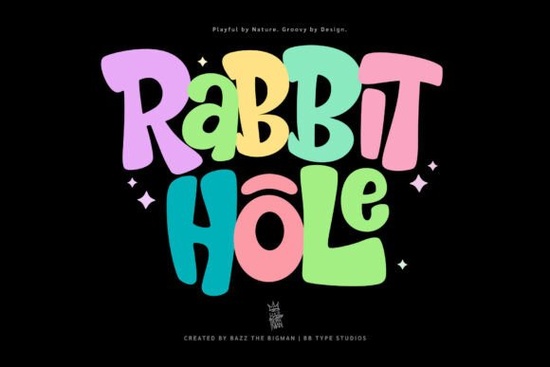
When designing products for children or playful branding, finding the right typography can make or break the project. The Rabbit Hole Font offers a bold, quirky display style that immediately grabs attention. Its organic structure and lively retro vibe make it a practical choice for print-on-demand sellers, crafters, and small businesses looking to add genuine character to their merchandise. Instead of relying on stiff, corporate typefaces, this lettering brings an inviting and amusing aura to any visual storytelling project. Whether you are creating a logo for a new daycare or designing a birthday invitation, the lively shapes set a positive tone right from the start.
What kind of projects work best with this playful display style?
Because of its hearty and exuberant design, this typeface naturally shines in environments meant to be fun and approachable. If you are creating visual assets for kids, the chunky letters are highly legible while still feeling energetic. It is an excellent fit for various physical and digital mediums.
- Children's apparel: The bold letters print clearly on t-shirts and hoodies, standing out even from a distance. Screen printers and vinyl crafters will find the solid lines easy to work with.
- Product packaging: Toy boxes and snack wrappers benefit from the lively rhythm of the characters, drawing the eye on crowded retail shelves.
- Event posters: School fairs, birthday parties, and community events need typography that feels welcoming, which this style delivers effortlessly.
- Sticker sheets: Crafters using cutting machines will appreciate the solid, organic shapes that are easy to weed and apply to laptops or water bottles.
How do you pair a quirky retro font with other typography?
Display fonts are intentionally loud. To keep your design readable, you have to balance that volume with quieter supporting text. The vivacious rhythm of this specific font commands attention, so your secondary fonts should step back and do the heavy lifting for body copy.
For example, if your main title uses this chunky style, you might use cleaner block lettering for the subtitle to ensure the information is easy to scan. On the other hand, if you are designing youth sports merchandise, contrasting the playful curves with athletic-style lettering creates an interesting visual dynamic that appeals to both kids and parents. For a nostalgic theme, combining it with classic retro athletic typography adds a layer of 70s or 80s depth to your layout without clashing. If you want a highly textured background to contrast with the smooth edges, pairing it with hand-drawn textured typefaces can create an engaging layout for a nursery wall art print.
Is this typeface suitable for commercial merchandise?
Many designers worry that highly decorative fonts will look unprofessional on retail goods. However, the intentional design behind this font ensures it remains structured enough for commercial use. Its fun facade does not compromise its utility. When you explore this specific display family, you will notice that the letterforms maintain consistent weight, which is crucial for printing on materials like canvas tote bags or ceramic mugs.
Always remember to verify your licensing rights before mass-producing items. Small businesses and hobbyists can usually use these files for physical end products, but selling the digital font file itself is strictly prohibited. It is also wise to test how the ink sits on different fabrics to ensure the bold lines do not crack after washing.
What are the best practices for installing and using bold display files?
Getting the most out of a lively typeface requires a bit of technical care, especially if you are working with vector software or cutting machines. Follow these next steps for your next project:
- Adjust your kerning: Bold, organic fonts sometimes have uneven spacing between specific letter pairs. Manually adjust the kerning in your design software to ensure the words look cohesive.
- Use high contrast colors: Since the font has a playful retro vibe, pair it with bright, contrasting background colors like mustard yellow, teal, or coral to make the letters pop.
- Avoid long paragraphs: Display typefaces are meant for headlines, logos, and short phrases. Stick to simple sans-serif fonts for any text longer than a single sentence.
- Test your print size: Before running a large batch of merchandise, print a single prototype to ensure the thick strokes do not bleed together on your chosen material.
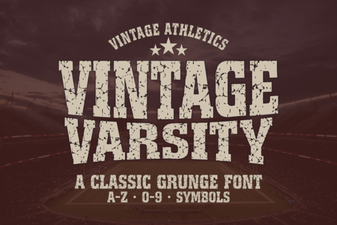 Vintage Fonts for Modern Design Projects
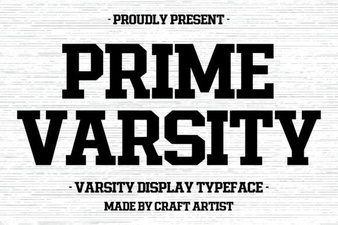 Prime Varsity: Creative Font Projects & Ideas
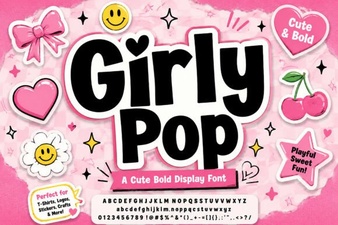 Fun Girly Pop Fonts for Creative Projects
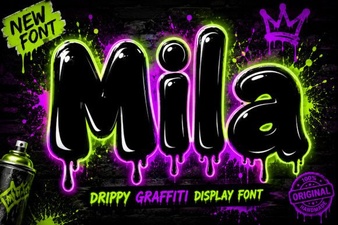 Mila Font for Creative Design Projects
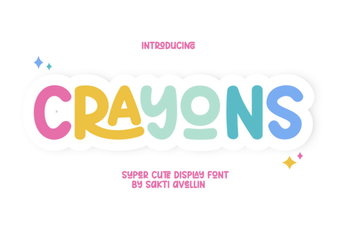 Crayons Font Ideas for Fun and Creative Projects
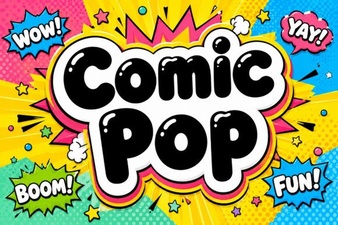 Designing Fun with Comic Pop Fonts