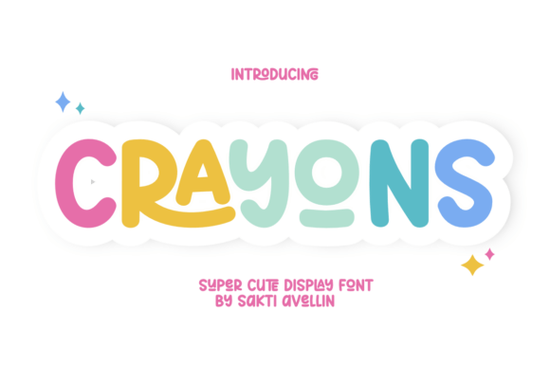
Designers and crafters often look for typography that feels personal, approachable, and slightly imperfect. The Crayons Font delivers exactly that by mimicking the textured, nostalgic strokes of actual wax crayons. If you create greeting cards, baby shower invitations, or custom apparel, this display typeface brings a playful yet readable aesthetic to your work. It avoids the sterile look of standard digital scripts, making your projects feel instantly more handmade and authentic.
As a standout choice among whimsical display typefaces, it works exceptionally well for small businesses focusing on personalized goods. The rough, organic edges of the letters add a tactile quality that resonates with buyers looking for unique, artisanal products. Whether you are designing for a local craft market or an online storefront, choosing the right typography establishes an immediate emotional connection with your audience.
Which print-on-demand products work best with a crayon texture?
When selling custom merchandise, the texture of your text needs to complement the physical product. Because this typeface has an organic, hand-drawn feel, it looks incredibly natural on fabric, wood, and thick paper. Print-on-demand sellers frequently use it for:
- Baby clothing and bibs: The soft, rounded edges fit perfectly with nursery themes and children's apparel.
- Canvas tote bags: A bold, colorful quote in this style stands out beautifully at weekend craft fairs.
- Ceramic mugs: The texture mimics the look of hand-painted lettering, adding character to everyday drinkware.
- Wooden signs and keychains: The uneven strokes pair well with rustic materials and natural backgrounds.
For those making wall art or framed quotes, the font provides a warm, inviting vibe. If you want to contrast that softness with something more energetic, you might combine it with a bouncy, youthful alternative. Designers working on candy-themed or highly vibrant projects often look toward a collection of sweet, playful lettering to build a cohesive, fun brand identity.
How should you pair this handwritten style with other fonts?
Typography pairing is fundamentally about visual balance. Since this crayon-style text has a lot of character and visual weight, it should almost always act as your main focal point. Use it for short headlines, customer names, or single-word quotes. Overusing it for long paragraphs will quickly make your design difficult to read.
For your secondary text, like event details on a birthday invitation or a longer inspirational quote on a throw pillow, choose something clean and highly legible. A simple sans-serif keeps the design grounded. However, if you are building a retro or nostalgic brand identity, you can mix it with heavier styles. For instance, placing a delicate script next to a heavy, blocky lettering style creates a striking contrast, much like how graphic artists approach a trendy pop aesthetic.
Alternatively, if you want to lean into an academic or vintage sports vibe for your background text, checking out a classic varsity typeface provides a sharp, structured foundation that lets the crayon letters pop. For something more experimental and fluid to use as a background element, a distorted, flowing script can add unexpected depth behind your main text.
What are the best practices for cutting and printing this font?
Crafters using Cricut or Silhouette machines need to be mindful of heavily textured fonts. The rough edges that make this font charming can sometimes cause mechanical issues with vinyl cutting. The intricate nodes can cause the blade to snag or tear delicate materials if not prepped correctly.
To get the best results for physical crafts, follow these technical steps:
- Weld the letters: If you are cutting the word as a single piece, always weld the text in your design software. This ensures the rough edges overlap smoothly without gaps.
- Simplify the paths: Use the simplify tool to reduce the number of anchor points on the jagged edges. This prevents the machine from making thousands of tiny micro-movements.
- Scale up your design: Cut this typeface at larger sizes. Small text will lose the crayon texture entirely and simply look illegible or messy on the final product.
Pre-launch checklist for your next design project
- Ensure your text is spelled correctly and sized appropriately before outlining or welding the layers.
- Test the cut on a scrap piece of vinyl or paper if you are making custom decals for the first time.
- Select high-contrast colors, like bright yellow, pastel pink, or sky blue, to emphasize the playful crayon aesthetic.
- Verify the commercial licensing details on the product page before selling finished items on platforms like Etsy, Amazon, or Shopify.
Tip: When printing on dark fabrics, use a white underbase to ensure the textured edges of the letters remain crisp and visible from a distance.
Learn More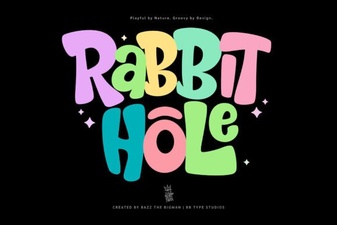 Rabbit Hole Font: Playful Designs & Project Ideas
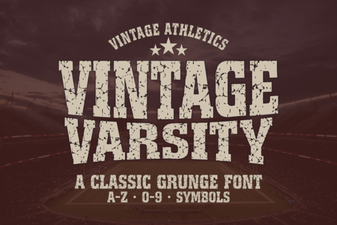 Vintage Fonts for Modern Design Projects
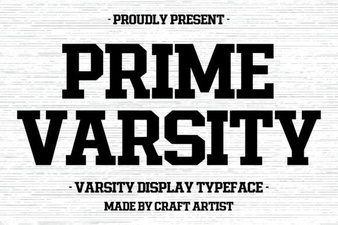 Prime Varsity: Creative Font Projects & Ideas
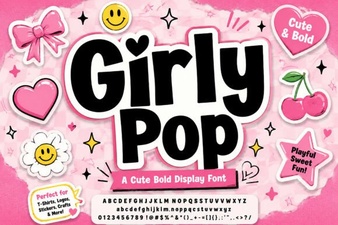 Fun Girly Pop Fonts for Creative Projects
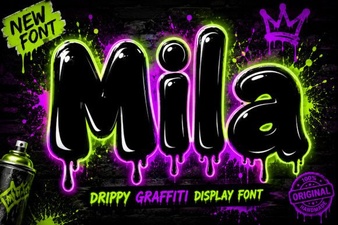 Mila Font for Creative Design Projects
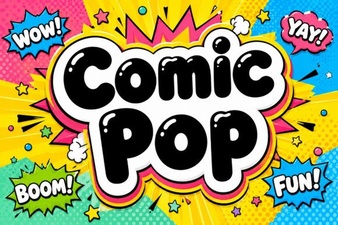 Designing Fun with Comic Pop Fonts