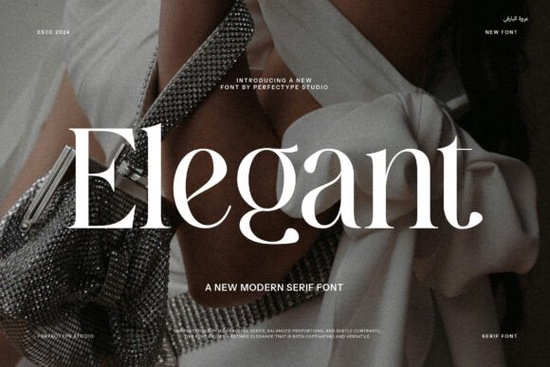
An Elegant Font typically features smooth, stylish letters with thin lines and graceful curves. This specific typographic style gives any design a classy and sophisticated look. Whether creating wedding invitations or luxury logos, choosing the right typography sets the tone. Designers rely on these refined letterforms to communicate exclusivity without needing extra graphics. The right lettering instantly tells your audience that your work is premium.
What makes a typeface look truly sophisticated?
The defining feature is the sharp contrast between thick and thin strokes. High-contrast lettering naturally draws the eye and feels historically established. You will also notice subtle details like ball terminals, elongated ascenders, and delicate serifs. These small elements add unique character to the text. When a typeface avoids heavy, blocky shapes in favor of precise, fine lines, it immediately reads as expensive. This is why fashion magazines, fine dining menus, and high-end editorial layouts lean heavily on this specific category of typography.
How can crafters use stylish lettering for print-on-demand and vinyl?
Print-on-demand sellers and hobbyists need designs that stand out but still appeal to a broad audience. Refined typography works perfectly for items like canvas tote bags, ceramic mugs, and minimalist wall art. Because the letterforms are highly legible yet decorative, they look great on both dark and light backgrounds. When browsing through an elegant serif typeface collection, you will find plenty of options that translate beautifully onto physical merchandise.
For those working with cutting machines like Cricut or Silhouette, be mindful of the extremely thin lines. If you plan to cut the text out of adhesive vinyl, you may need to slightly increase the stroke weight in your design software so the material does not tear during the weeding process. Always do a test cut on a scrap piece first.
Which small business projects benefit most from this style?
Small businesses building a luxury or boutique identity should strongly consider this style for their core branding materials. It works exceptionally well across several touchpoints:
- Business cards: Thin lines printed on heavy, matte, or textured cotton paper create a highly memorable tactile experience for clients.
- Product packaging: Cosmetics, handmade jewelry, and artisanal food brands use delicate lettering to justify premium pricing and stand out on retail shelves.
- Social media templates: Quotes, announcements, and product highlights look highly shareable when set in a classic, high-contrast style.
- Wedding suites: Creative hobbyists designing for the wedding industry know that couples look for this exact aesthetic for their save-the-dates and seating charts.
If you need a variety of options for different client projects, picking up a modern bundle of serif typefaces provides excellent versatility. You can mix different weights to establish a clear visual hierarchy across a brand's website and print materials.
How do you pair refined letterforms with other design elements?
Because this style carries so much visual personality, it is usually best to pair it with something incredibly simple. A geometric sans-serif makes an excellent supporting typeface for body copy. For example, if your main heading uses a refined style similar to Playfair Display, keep your paragraphs in a clean, highly readable sans-serif. This prevents the final layout from feeling cluttered or difficult to read. Always ensure there is plenty of negative space around your headings to let the graceful curves breathe and command attention.
What are the most common formatting mistakes to avoid?
The most frequent error is using a delicate typeface at too small a size. Thin lines can easily disappear when printed on textured paper or viewed on low-resolution mobile screens. Always test your design at the final output size before sending it to production. Another common mistake is stretching letters to fit a specific text box. Never distort the aspect ratio. Instead, adjust the tracking slightly or choose a naturally condensed version if your software provides one. Proper spacing maintains the structural integrity of the design.
Practical checklist for your next design
Before you finalize your artwork or send it to the printer, run through this simple checklist to ensure your typography looks its best:
- Check the contrast against your background color to guarantee readability from a distance.
- Ensure the overall font size is large enough so the thinnest hairlines remain visible in print.
- Pair your decorative heading with a simple, legible body font to balance the layout.
- Add generous margins and negative space around the main text blocks.
- Proofread your text carefully, as formal typography tends to make typos much more obvious to the reader.
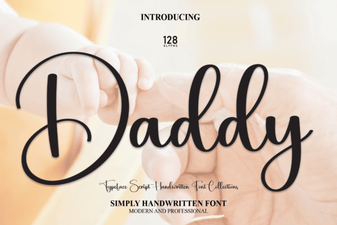 Daddy Font: Creative Typography Ideas & Styles
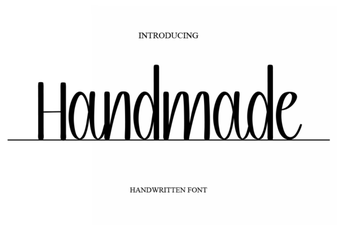 Handmade Fonts for Creative Design Projects
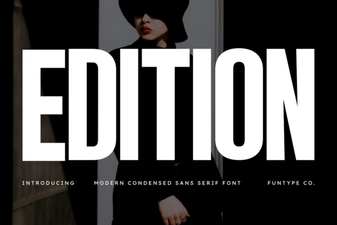 Edit Font Styling for Creative Projects
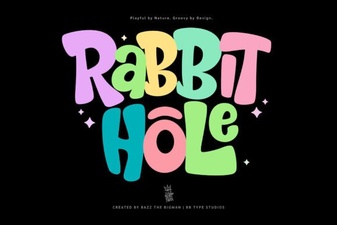 Rabbit Hole Font: Playful Designs & Project Ideas
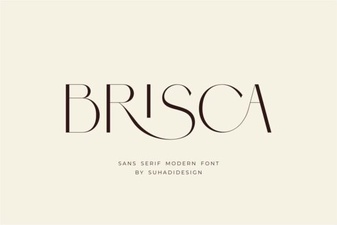 Creative Projects with Brisca Font Design
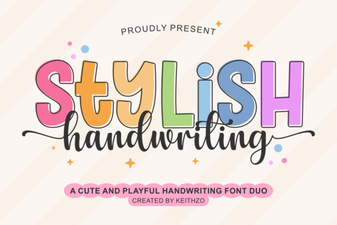 Creative Handwriting Fonts for Modern Design Projects